




Why women?
Gender discrimination is still common—not only in the U.S. but worldwide. Power and economic inequities; violence and sexual abuse; and the silencing of women’s voices profoundly influence emotional, economic, and physical health.

We help women, gender nonconforming individuals, older teens, and men to:
Recognize and leave abusive situations
Alleviate isolation and develop circles of support
Stop second-generation effects of trauma
Succeed in school (1 in 5 clients is a student)


Protect themselves and their families when a long-term relationship ends
Co-parent through divorce
Build resumés and self-esteem to return to employment and stability
Thrive emotionally and financially
Overall, in one year our nonprofit saw a 50% drop in the reporting of serious anxiety and depression among personal counseling clients.
With your help, in 2025:
Over 700 clients received individual personal counseling through our Soundings and Room To Talk programs.
700+ clients
Our Center provided 10,000+ individual and group therapy sessions.
10,000+ sessions
300 trained therapist interns
In December of 2025, the Center surpassed having trained 300 therapist interns, many of whom stay in practice in Southeastern Michigan -- Thank you for all you do!
21% of our clients
received care through Medicaid
did not have access to insurance and received support through individual donations and grants.
10% of our clients
Emotional and economic health are interactive.
Mental health symptoms such as depression and anxiety can lead to job loss or dropping out of school, and have a cascading effect on the ability to pay rent, buy groceries, meet utility bills, and make car repairs. Women who access our sliding-fee counseling program report that they are twice as likely to have suicidal thoughts than other Washtenaw County women and 9 times more likely than Washtenaw County men.
18%
routinely run out of food before the end of the month
15% do not have a permanent place to live
40% have a disability
Likewise, individuals who are food- or shelter-insecure; who have lost an income; who fear for their safety or health, may need basic services as much as they need counseling.
About 18% of clients in our sliding-fee counseling program routinely run out of food before the end of the month and 15% do not have a permanent place to live. Forty percent have a disability.
Women’s Center services directly address these issues.
The power of connected services
Everyone deserves support! Our continuum of services helps individuals identify and magnify their strengths to achieve economic and emotional health.

Most participants are women (77%), although we serve children through their mothers. Gender-diverse individuals (13%) and men (10%) and are also attracted to the safe and supportive atmosphere of our counseling, career- and financial-coaching programs.
We welcome individuals age 16+ of all gender identities, body sizes, abilities, income levels, racial/cultural backgrounds, sexual orientations, and religious/spiritual beliefs.
Our services impact families

“I was at a point where I could not get/afford health insurance, so trying to find help was almost nearly impossible. My therapist gave me an opportunity to get the help I needed so I could sort through all of these issues and prioritize what was most important to work on first. As of today, I am now divorced, have a good paying full-time permanent position at U of M., have full benefits covering both my son and I, and we now have a new home!”
—V A N E S S A
When women have the tools to assert their strengths, families and communities also thrive.
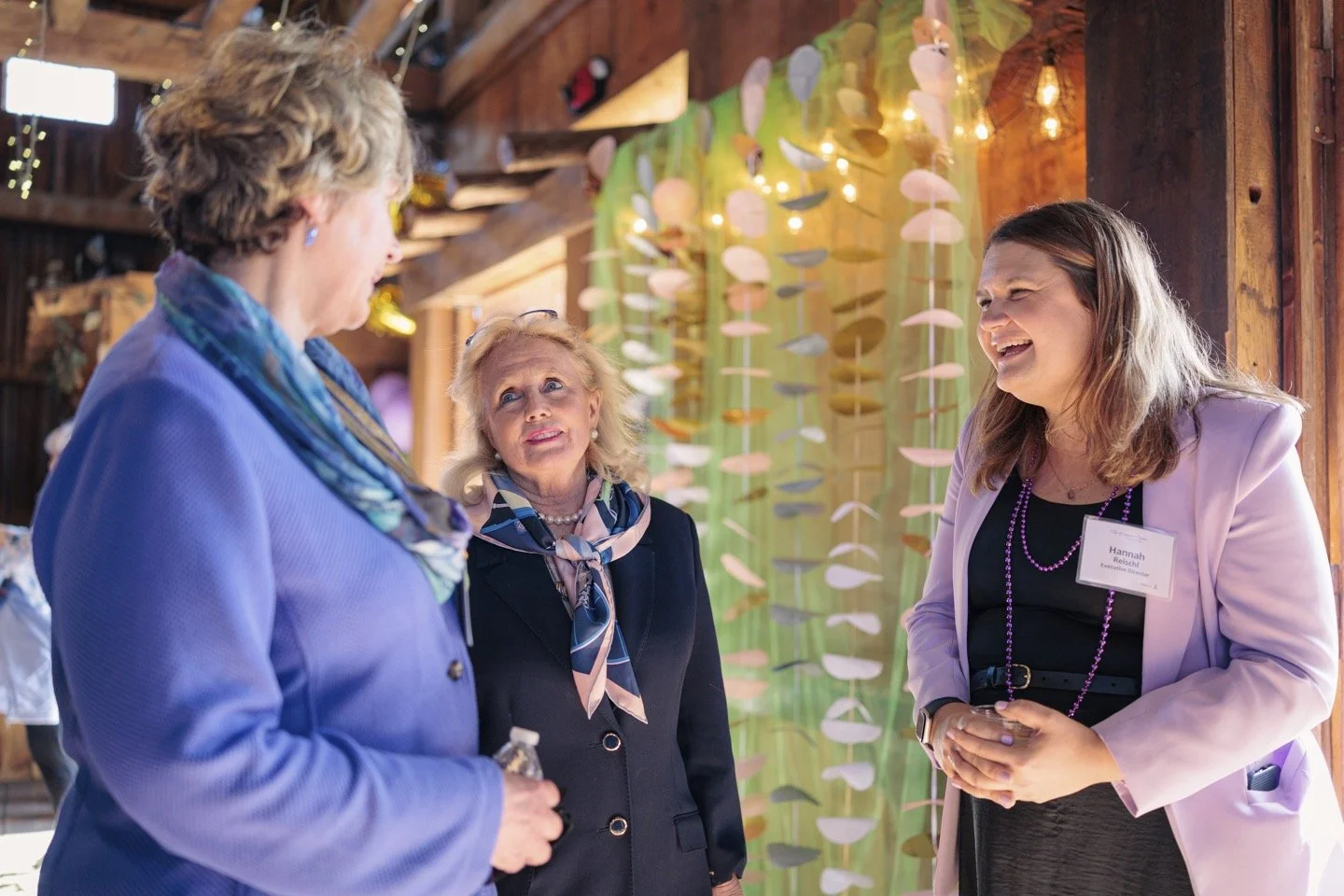
Promote confidence and hope.
When you donate to the Women’s Center, you provide mental health therapy and other supportive services to individuals across Michigan (34 counties and counting).
Your donation helps someone in our community—a friend, a neighbor, a family member, or acquaintance—who is struggling to function in fundamental ways.
The Women’s Center Impact
“I was not at all certain in my ability to continue to function in the way I needed to and my therapist helped me find confidence and strength.”
“After finding myself in a complete desperate situation and having sacrificed so much in my marriage, I did not have the emotional tools to begin to rebuild my life…I have gone from a position of great loss, grief and having very little, to working with [my career coach] to rediscover myself—and especially to rediscover hope.”
“I am a better mom because of the coping skills I have learned in therapy. Also able to identify healthy and unhealthy relationships. Accepting people where they are at.”